




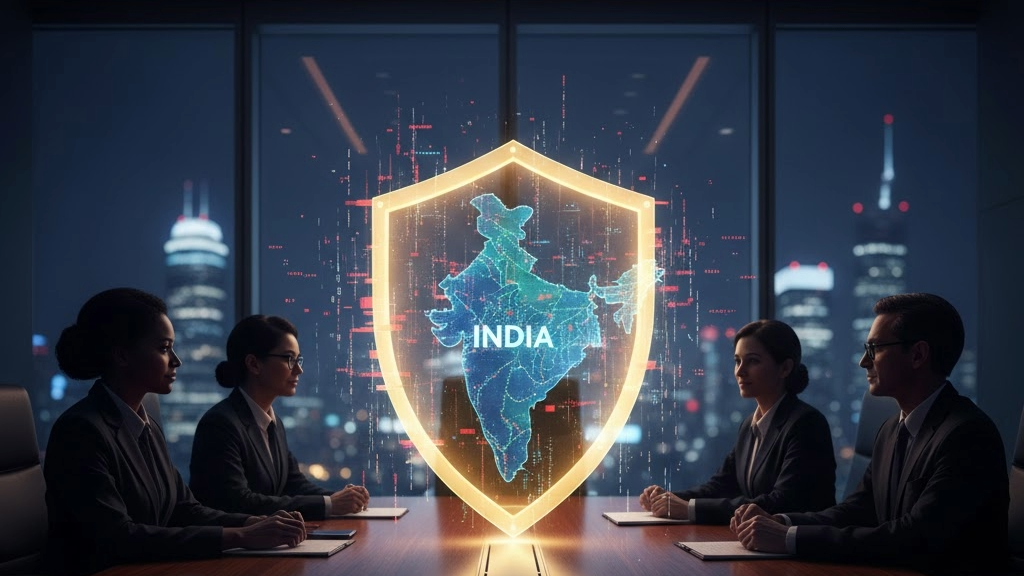
India is at an inflection point in its cybersecurity journey. Ransomware-as-a-Service (RaaS) has rapidly emerged as one of the most disruptive and industrialized cyber threats facing Indian corporates and Global Capability Centres (GCCs). What was once the domain of elite cybercriminals has now become a scalable, franchise-driven ecosystem-designed for speed, scale, and impact.

For Indian enterprises powering global operations, this is no longer a technology concern. It is a business continuity, trust, and governance issue.
Ransomware-as-a-Service operates like a commercial subscription model. Core operators develop ransomware payloads, command-and-control infrastructure, negotiation portals, and affiliate dashboards. Attack affiliates simply rent the capability, gain initial access, and execute attacks-sharing profits with minimal technical expertise.

This model has dramatically lowered the barrier to entry for cybercrime. The outcome is predictable: more attacks, shorter dwell times, higher success rates, and sustained pressure on Indian organisations across sectors.
Indian enterprises manage a unique convergence of risk. Large-scale legacy systems coexist with cloud platforms, APIs, CI/CD pipelines, and privileged service accounts. GCCs, in particular, hold keys to global client environments, making them high-impact entry points.
Attackers actively hunt for exposed VPNs, weak multi-factor authentication, unpatched internet-facing vulnerabilities, and flat network architectures. Once inside, lateral movement is rapid and containment becomes costly.
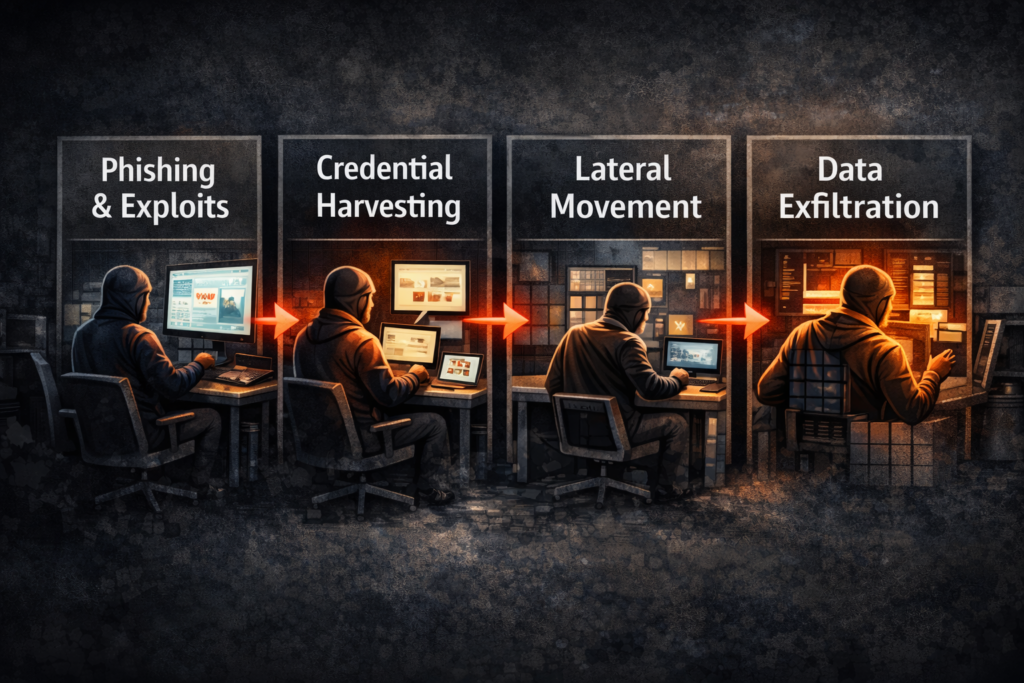
Modern RaaS attacks follow a structured kill chain rather than opportunistic malware execution. Phishing campaigns target finance and HR teams. Exploits abuse ERP systems, VPN gateways, and exposed RDP services. After gaining access once, attackers map identities, file shares, cloud connections, and backup systems.
Persistence mechanisms lead to credentials harvesting and privileges escalation. Thereby, data is staged and exfiltrated before any visible disruption occurs. Encryption is the final step-not the primary objective. The real leverage comes from stolen data, regulatory exposure, service downtime, and reputational damage.
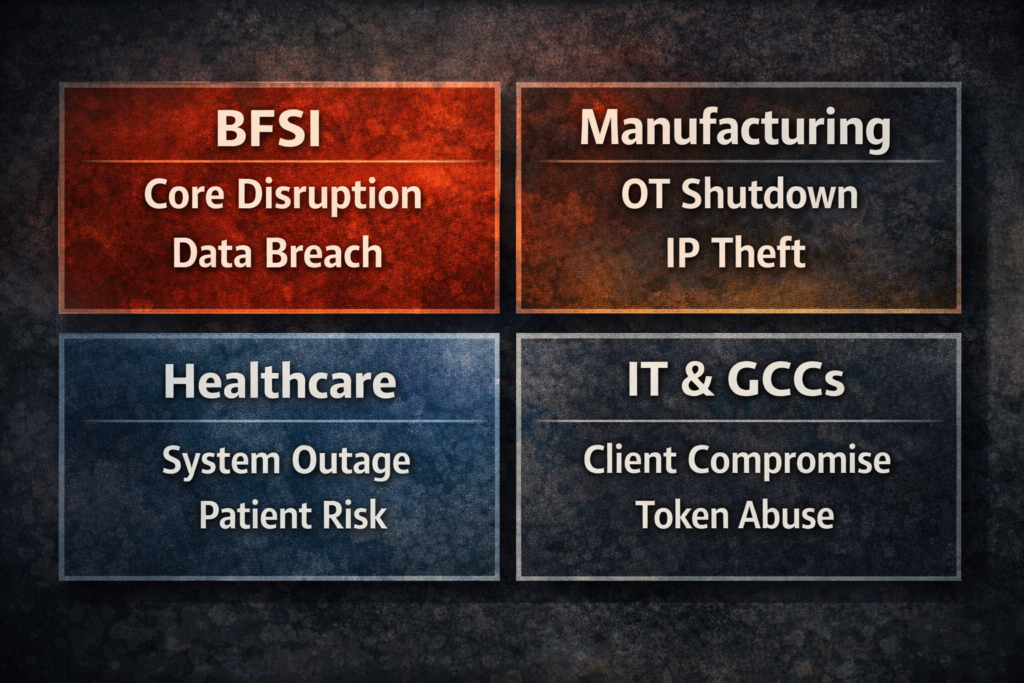
The consequences of RaaS incidents in India are both immediate and long-lasting. In BFSI, ransomware leads to core banking disruption, KYC data exposure, and elevated fraud risk. Manufacturing faces operational technology downtime, stalled production lines, and intellectual property theft. Healthcare organizations experience hospital information system outages and patient safety risks. IT services firms and GCCs risk token abuse across multiple client environments, amplifying downstream impact.

Across sectors, recovery is slow. Backups are often compromised. Reinfection risk remains high. Trust erosion is difficult to reverse.
Despite growing awareness, many Indian organisations still struggle with foundational gaps. Weak MFA enforcement orphaned privileged accounts, flat networks, unpatched vulnerabilities, misconfigured cloud storage, and domain-accessible backups remain common. Limited endpoint visibility and insufficient log correlation further delay detection and response.
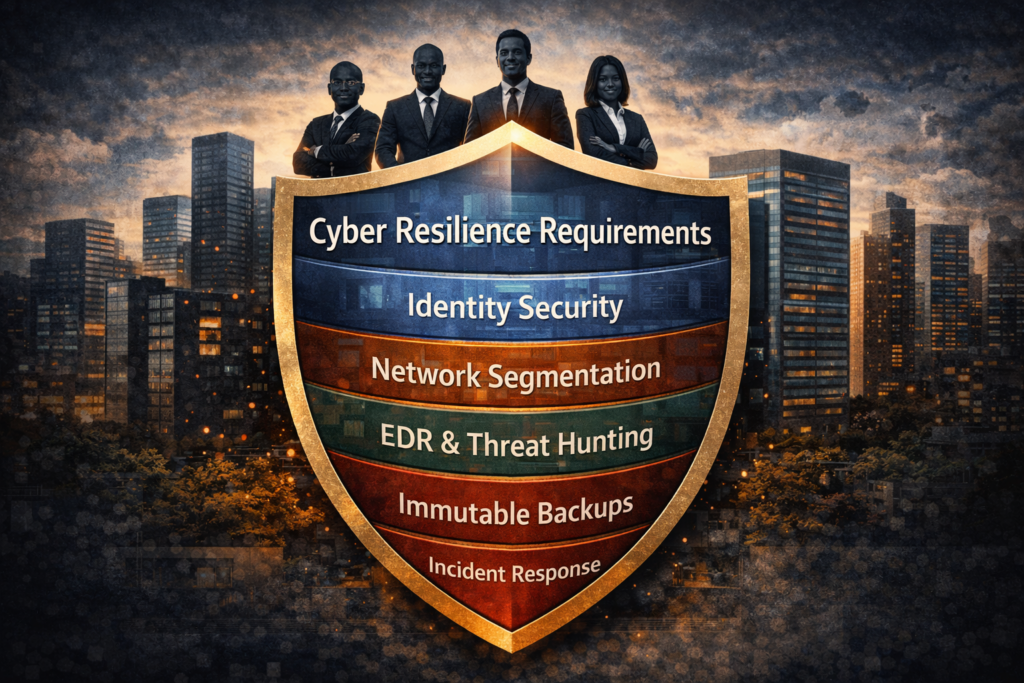
Ransomware resilience is not achieved through point solutions. It requires a deliberate, identity-first and architecture-led approach.
Organisations that consistently reduce impact focus on enforcing strong MFA across all critical access paths, tightening privilege management, segmenting networks, and prioritising patching of exposed assets. Continuous endpoint detection, active threat hunting, immutable offline backups, and rehearsed incident response playbooks form the operational backbone of resilience. Equally important is leadership ownership. Cyber risk decisions must sit at the executive and board level, supported by regular drills, clear authority, and alignment with regulatory expectations.
Ransomware-as-a-Service will continue to evolve, blending cybercrime with fraud, coercion, and regulatory pressure. In this environment, maturity-not temporary fixes-defines resilience.
Indian corporates and GCCs that invest now in identity security, Zero Trust segmentation, tested recovery, and continuous threat intelligence will not only reduce financial and operational impact, but they will also strengthen trust across India’s digital economy and global value chains.